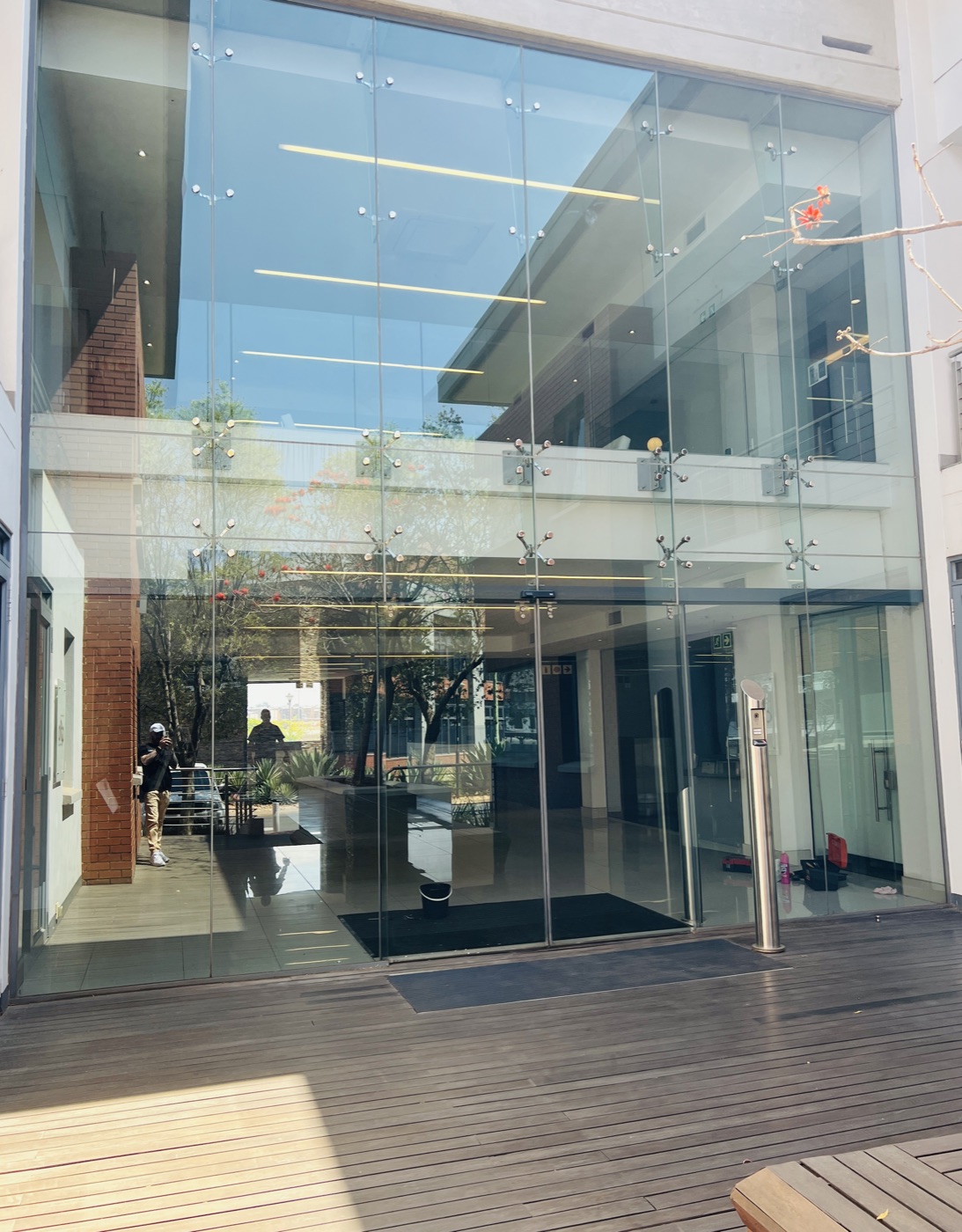
A great entrance does two jobs at once: it lets the right people in easily, and keeps everyone else out. That is exactly what you get when you pair an automatic door with a security system — automatic door access control. The automatic operator handles the hands-free opening, while the access control decides who is allowed through and when. This guide explains how automatic door access control works, the types of credentials you can use, and how to keep the entrance both secure and safe to exit.

What is automatic door access control?
Automatic door access control simply means connecting an automatic door to a system that authorises entry. Instead of opening for anyone who approaches, the door opens only when a valid credential is presented — a staff access card, a PIN, a fingerprint, or a visitor buzzed in at reception. It combines the convenience of a hands-free door with the security of controlled entry, so an office, estate or secure facility can manage exactly who comes through the front door and during which hours.
How automatic doors integrate with access control
The link is straightforward in principle. An automatic door operator has a trigger input; normally that input comes from a motion sensor, but for access control it comes from the security system instead. When someone presents a valid credential, the reader tells the controller to send a release signal to the operator, and the door opens automatically. This works with both automatic sliding doors and automatic swing operators, so most entrances can be set up for automatic door access control without replacing the whole door.

Types of access control you can use: automatic door access control
The door doesn’t mind how the decision is made — it just needs the release signal — so you can choose the credential that suits your building: proximity cards and tags for staff, keypads with a PIN, biometric readers such as fingerprint or facial recognition for higher security, or an intercom with a remote release button so reception or a resident can let visitors in. Many sites combine a couple of these, for example tag access for staff and an intercom for visitors.

Security, safety and free exit: automatic door access control
Controlling entry must never trap people inside. On escape routes, the door has to allow free exit at all times, which is why the exit side is usually on a request-to-exit sensor or push button rather than a credential. How the door behaves in a power cut also matters: a fail-safe setup releases for free escape, while a fail-secure setup stays locked for security — the right choice depends on the opening, and we cover this in our guide to automatic doors during load shedding. Published South African standards, including those on emergency egress, come from the SABS.

Where automatic door access control is used

It suits any building that needs both easy entry and control over who gets in: office receptions and corporate lobbies, residential estates and complexes, clinics and healthcare facilities, server and stock rooms, and back-of-house areas in retail. Anywhere you’d normally lock a door but still want convenient, hands-free access for authorised people is a good candidate for automatic door access control.
Getting it set up
Integrating a door and an access control system cleanly — with the right release signal, safe free exit, correct power-fail behaviour and reliable readers — is best done by an installer who works with both. Our sister company, MC Automations, installs and services automatic entrances across South Africa and can integrate your automatic doors with card, keypad, biometric or intercom access control, then keep the whole system maintained.
Frequently asked questions
Can automatic doors work with access control?
Yes. An automatic door operator accepts a trigger signal, so instead of a motion sensor opening it, a valid access-control credential (card, PIN, fingerprint or intercom release) sends the signal and the door opens for authorised people only.
What kinds of access control can I use?
Proximity cards and tags, keypads with a PIN, biometric readers such as fingerprint or facial recognition, and intercoms with a remote release. Many buildings combine tag access for staff with an intercom for visitors.
Will access control stop people getting out in an emergency?
No, if set up correctly. Escape routes use a request-to-exit sensor or button so people can always leave freely, and the door can be configured fail-safe to release on power loss for safe egress.
Can access control be added to an existing automatic door?
In most cases, yes. Because the operator already accepts a trigger input, an access-control system can usually be integrated with an existing automatic door rather than replacing it. We confirm this per site.
Talk to us about automatic doors integrated with your access control — card, keypad, biometric or intercom entry.
Related reading: automatic doors in South Africa, touchless automatic doors, and automatic doors during load shedding.
What affects the price of automatic door access control
Two quotations for automatic door access control can differ widely, and the reason is almost always a specification difference rather than a margin difference. These are the variables that move the number.
- The structural opening. Measure the brickwork opening rather than an existing frame, and note whether the reveal is square.
- Traffic and duty cycle. A quiet office entrance and a centre entrance passing thousands of people a day are not the same specification.
- Power and controls. Confirm what supply reaches the head of the opening, and whether access control, an intercom or a fire panel must interface.
- Glass. Coetz™ glazes as standard with 6.38 mm clear laminated safety glass.
- Service access. Automatic door systems are installed and serviced by our team, so plan for periodic servicing from day one.
Once those are pinned down, automatic door access control becomes straightforward to quote and to programme. Send them through with your enquiry and we will come back with a firm price for automatic door access control.
Leave a Reply